


The complete guide
The Ultimate Guide to Concrete Hand Trowels: Mastering Professional Finishing Techniques
Ever watched a skilled concrete finisher transform rough, freshly poured concrete into a mirror-smooth surface that practically gleams in the sunlight? The magic isn't just in their years of experience – it's in the tools they wield with such precision and confidence. At the heart of every professional concrete job lies the humble yet indispensable concrete hand trowel, a tool that can make the difference between amateur-looking results and surfaces that rival those created by master craftsmen.
Whether you're a weekend warrior tackling your first patio project or a seasoned contractor looking to upgrade your toolkit, understanding the nuances of concrete trowels will elevate your work from functional to exceptional. But here's what most people don't realize – choosing the wrong trowel is like trying to paint a masterpiece with a house brush. Sure, you'll get the job done, but the results will tell a very different story about your craftsmanship.
Understanding the Fundamentals of Concrete Hand Trowels
What Makes a Quality Concrete Hand Trowel?
Think of a concrete hand trowel as the surgeon's scalpel of the construction world – precision, balance, and reliability aren't just nice features, they're absolute necessities. A quality trowel combines several critical elements that work together seamlessly: blade composition, handle ergonomics, balance point, and manufacturing precision.
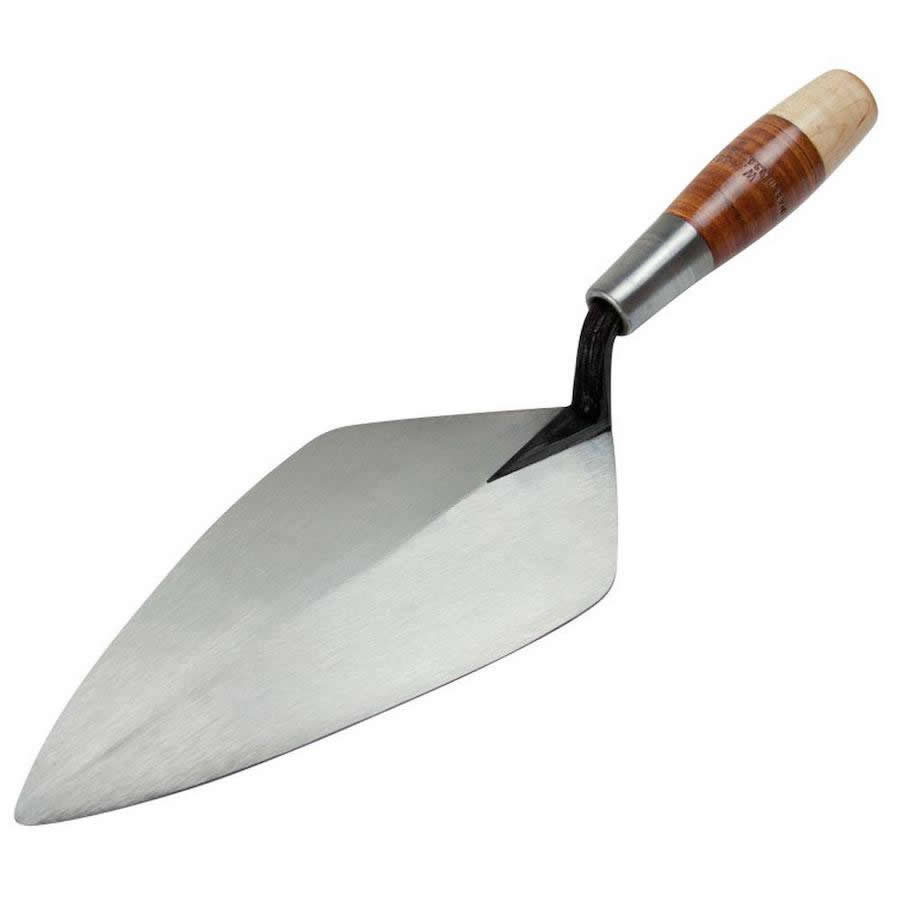
The blade represents the business end of your trowel, and its composition directly affects performance and longevity. Professional-grade trowels use high-carbon steel that's been heat-treated to achieve the perfect balance between flexibility and strength. This steel can flex under pressure without cracking or permanently deforming, allowing you to apply consistent pressure across the entire blade surface.
Handle design might seem like an afterthought, but anyone who's spent hours floating concrete knows better. The best concrete hand trowels feature handles designed to reduce hand fatigue while providing secure grip even when wet. The connection between blade and handle must withstand tremendous forces without loosening or failing, which is why quality manufacturers use welded or forged connections rather than simple mechanical fasteners.
The Science Behind Concrete Finishing
Concrete finishing isn't just about making surfaces look pretty – it's about manipulating the material's chemistry and physics to achieve specific performance characteristics. When you use a finishing trowel for concrete, you're actually working with a dynamic material that's undergoing chemical changes as you work.
Fresh concrete contains excess water that must be managed carefully during the finishing process. Your trowel work brings this water to the surface, where it can evaporate, while simultaneously compacting the concrete matrix below. This process, called bringing up the cream, creates the dense, hard surface that gives finished concrete its durability and appearance.
The timing of trowel work is critical because concrete has a narrow window where it's workable but firm enough to support finishing operations. Too early, and you'll bring up too much water, creating a weak surface prone to dusting and scaling. Too late, and the concrete becomes too stiff to work properly, leading to rough, uneven surfaces that require costly remediation.
Different Types of Concrete Trowels and Their Applications
Finishing Trowel For Concrete: The Precision Tool
A finishing trowel for concrete represents the pinnacle of trowel design, engineered specifically for creating smooth, dense surfaces that meet professional standards. These trowels typically feature thinner blades and more refined edge geometry compared to general-purpose tools, allowing for the precise control needed for final finishing operations.
The blade dimensions of finishing trowels are carefully calculated to provide optimal performance across different concrete mixes and environmental conditions. Longer blades cover more area with each pass, increasing productivity, but they require more skill to control effectively. Shorter blades offer better control for detailed work but require more passes to cover large areas.
Professional finishing trowels often incorporate subtle design features that aren't immediately apparent to casual observers. The blade's curvature, known as camber, is precisely engineered to match the natural arc of your working motion. This camber prevents the blade edges from digging into the concrete surface while ensuring even pressure distribution across the entire blade width.
Concrete Edging Trowel: Perfecting the Details
The concrete edging trowel serves a specialized but crucial role in creating professional-looking concrete work. While other trowels focus on large surface areas, edging trowels are designed to create clean, consistent edges and control joints that give finished concrete its polished appearance.
Edging work requires different blade geometry than surface finishing. Concrete edging trowels feature curved or angled blades that can follow form lines and create smooth transitions between different surface levels. The blade radius is carefully engineered to create edges that are both aesthetically pleasing and functionally sound.
Professional concrete contractors understand that edges often receive the most scrutiny from clients and inspectors. A concrete edging trowel allows you to create consistent, professional-looking edges that frame your work beautifully while serving important functional purposes like stress relief and water management.
Multi-Purpose and Specialized Trowel Variations
Beyond the basic categories, concrete trowels come in numerous specialized variations designed for specific applications or working conditions. Pool trowels feature extra-long handles for reaching into deep excavations, while narrow-blade trowels excel at working in confined spaces or around obstacles.
Some trowels incorporate modern materials like stainless steel blades that resist corrosion in harsh environments or when working with specialty concrete mixes containing aggressive chemicals. These premium materials command higher initial costs but often prove economical over their extended service lives.
Ergonomic variations address the physical demands of concrete finishing work. Offset handles reduce wrist strain during extended use, while cushioned grips provide comfort during long finishing sessions. These features become increasingly important as projects grow larger and more demanding.
Material Science: What Goes Into Professional-Grade Trowels
Steel Types and Heat Treatment Processes
The steel used in concrete hand trowels undergoes sophisticated metallurgical processes that determine final performance characteristics. High-carbon steel provides the foundation for most professional trowels, but the heat treatment process is where the real magic happens.
Proper heat treatment creates a blade that's hard enough to maintain a sharp edge while remaining flexible enough to flex without breaking. This heat treatment process involves precise temperature control and cooling rates that align the steel's crystalline structure for optimal performance. Inferior trowels often skip these expensive processes, resulting in blades that either chip and crack or bend permanently under normal use.
Stainless steel represents the premium option for concrete trowels, offering superior corrosion resistance and longevity. However, stainless steel requires different manufacturing processes and typically costs significantly more than carbon steel alternatives. For most applications, properly treated carbon steel provides excellent performance at a more accessible price point.
Handle Materials and Ergonomic Design
Handle materials have evolved significantly from the simple wood handles of previous generations. Modern concrete trowels incorporate advanced materials and ergonomic research to reduce user fatigue and improve control during extended use periods.
Composite handles combine strength with vibration damping properties that reduce hand and arm fatigue during power floating operations. These handles often incorporate textured surfaces that maintain grip security even when wet or contaminated with concrete residue.
The handle's cross-sectional shape affects comfort and control during different types of trowel work. Oval profiles fit naturally in most people's grip, while specialized shapes accommodate different hand sizes and working preferences. Some manufacturers offer interchangeable handle systems that allow users to customize their tools for specific applications.
Manufacturing Quality and Precision Standards
Professional-grade concrete trowels are manufactured to precision tolerances that ensure consistent performance and longevity. The blade flatness, edge straightness, and surface finish all affect how the trowel interacts with concrete during finishing operations.
Quality control processes include dimensional verification, hardness testing, and performance evaluation under simulated working conditions. These processes identify potential problems before trowels reach end users, ensuring consistent quality across production runs.
Manufacturing precision extends to details like blade thickness consistency and edge geometry. Variations in these specifications can cause uneven concrete surfaces or premature tool wear that affects both productivity and work quality.
Professional Techniques for Concrete Trowel Usage
Mastering the Float and Trowel Sequence
Professional concrete finishing follows a carefully choreographed sequence that maximizes surface quality while working within concrete's narrow window of workability. The relationship between floating and troweling operations determines both the final appearance and long-term durability of finished concrete surfaces.
Floating precedes troweling and serves multiple critical functions: it embeds large aggregate below the surface, removes minor surface imperfections, and brings cement paste to the surface for subsequent troweling operations. Using a concrete hand trowel too early in this sequence can cause serious surface defects that are difficult or impossible to correct.
The transition from floating to troweling requires careful observation of concrete behavior and environmental conditions. Professional finishers read the concrete's surface condition, watching for the subtle signs that indicate readiness for trowel work. This timing varies with concrete mix design, ambient temperature, humidity, and other factors that affect concrete behavior.
Hand Position and Movement Patterns
Effective trowel work requires developing proper hand position and movement patterns that maximize efficiency while minimizing physical strain. Your grip on the concrete hand trowel affects both control and endurance during extended finishing sessions.
The proper grip allows your fingers to control blade angle while your palm and wrist provide the power for forward motion. This grip distribution prevents overuse injuries while maintaining the fine control needed for quality finishing work. Many beginners grip the trowel too tightly, leading to rapid fatigue and reduced control precision.
Movement patterns should flow smoothly across the concrete surface, with each pass slightly overlapping the previous one to ensure consistent surface treatment. Professional finishers develop rhythmic patterns that maintain consistent pressure and blade angle while covering area efficiently.
Pressure Application and Blade Angle Control
Understanding how pressure and blade angle affect concrete surfaces separates professional results from amateur attempts. Too much pressure can overwork the surface, bringing up excessive cement paste that creates weak, dusty surfaces. Too little pressure fails to achieve adequate surface density and smoothness.
Blade angle control requires constant adjustment based on concrete condition and desired surface characteristics. Steeper angles provide more aggressive cutting action for removing imperfections, while flatter angles create smoother surfaces during final passes.
The relationship between pressure and angle changes throughout the finishing process as concrete stiffens. Early troweling requires lighter pressure and steeper angles, while final passes use increased pressure with flatter angles to achieve maximum surface density and smoothness.
Selecting the Right Trowel for Different Project Types
Residential vs Commercial Applications
Residential concrete projects typically involve smaller areas with less demanding performance requirements, allowing for different trowel selection criteria than large commercial projects. However, the quality standards expected by homeowners often exceed those of some commercial applications, requiring careful tool selection.
Residential work often involves decorative concrete applications that demand specialized finishing trowels for concrete with enhanced surface quality capabilities. These applications might require multiple trowel types to achieve complex surface textures or patterns that create visual interest while maintaining functionality.
Commercial projects emphasize productivity and consistency over decorative considerations. Large commercial pours benefit from longer trowels that cover more area per pass, while consistent quality standards require trowels that maintain performance characteristics throughout extended use periods.
Indoor vs Outdoor Project Considerations
Environmental conditions significantly affect concrete behavior and finishing requirements, influencing optimal trowel selection for different project types. Indoor work provides controlled conditions that allow for more predictable finishing sequences and timing.
Outdoor projects face environmental challenges that affect both concrete behavior and trowel performance. Wind can accelerate surface drying, requiring faster finishing sequences and potentially different trowel techniques to achieve quality results.
Temperature extremes common in outdoor work affect concrete setting characteristics and may require modified finishing approaches. Cold weather slows concrete setting, extending the working window but potentially requiring heating to achieve proper surface conditions. Hot weather accelerates setting, shortening working time and potentially requiring cooling strategies or accelerated finishing techniques.
Specialized Applications and Custom Requirements
Some concrete applications require specialized trowel designs that address unique performance requirements or working conditions. Pool construction demands trowels capable of creating smooth, impermeable surfaces that meet strict water-tightness requirements.
Architectural concrete applications might require custom trowel profiles that create specific surface textures or patterns. These specialized tools often command premium prices but enable contractors to achieve unique aesthetic effects that differentiate their work from standard concrete finishing.
Industrial applications may involve exposure to chemicals or extreme conditions that require specialized trowel materials or coatings. Stainless steel or specially coated trowels resist corrosion in these demanding environments while maintaining performance standards.
Maintenance and Care of Concrete Trowels
Daily Cleaning and Storage Procedures
Proper maintenance begins with thorough cleaning after each use, preventing concrete buildup that can affect trowel performance and longevity. Concrete residue left on trowel blades creates surface irregularities that telegraph into finished surfaces, compromising work quality.
Cleaning procedures should begin immediately after use, while concrete residue remains soft and easily removable. Delayed cleaning allows concrete to harden on trowel surfaces, requiring aggressive removal methods that can damage blade surfaces or edge geometry.
Storage conditions affect trowel longevity and performance. Proper storage prevents corrosion while protecting blade edges from damage that affects surface quality. Many professionals use dedicated storage systems that organize tools while providing protection from environmental exposure.
Blade Sharpening and Edge Maintenance
Maintaining sharp, smooth blade edges is critical for achieving professional-quality concrete surfaces. Dull or damaged edges create surface imperfections that compromise both appearance and performance of finished concrete.
Edge maintenance requires understanding how different sharpening techniques affect blade geometry and performance. Proper sharpening removes minimal material while restoring the blade's original edge profile. Improper sharpening can alter blade geometry in ways that permanently affect performance.
Professional sharpening services understand the specific requirements of concrete trowel maintenance and can restore badly damaged tools to like-new condition. However, regular maintenance by users can prevent most damage and extend service life significantly.
Handle Replacement and Repair
Handle maintenance often receives less attention than blade care, but loose or damaged handles create safety hazards while compromising work quality. Regular inspection identifies potential problems before they cause tool failure during critical work periods.
Handle replacement procedures vary depending on the attachment method used in original construction. Welded handles typically require professional repair services, while mechanically attached handles might be replaceable by users with appropriate tools and skills.
Preventive maintenance includes periodic tightening of mechanical connections and inspection for cracks or other damage that could lead to failure. Addressing minor issues early prevents catastrophic failures that could cause injury or project delays.
Troubleshooting Common Concrete Finishing Problems
Surface Defects and Their Trowel-Related Causes
Many concrete surface defects result from improper trowel technique or tool selection rather than concrete mix problems. Understanding the relationship between trowel work and common defects helps prevent problems and guides corrective actions when defects occur.
Trowel burn, characterized by dark, hard patches on finished surfaces, typically results from excessive troweling pressure or working concrete at the wrong stage of setting. Using a finishing trowel for concrete requires understanding when the concrete is ready for aggressive finishing operations.
Birdseye defects appear as small, round imperfections scattered across finished surfaces. These defects often result from trowel work that brings air bubbles to the surface, where they create permanent blemishes in the finished concrete. Proper troweling technique minimizes air incorporation while achieving desired surface characteristics.
Environmental Challenges and Adaptive Techniques
Environmental conditions during concrete placement and finishing significantly affect both concrete behavior and optimal troweling techniques. Professional finishers adapt their methods to accommodate changing conditions while maintaining quality standards.
Hot weather accelerates concrete setting, shortening the window available for finishing operations. This acceleration may require modified troweling sequences or additional manpower to complete finishing within the available time frame. Some situations benefit from concrete edging trowel work performed earlier in the sequence to ensure edge quality before surface finishing begins.
Cold weather extends concrete setting times but may prevent proper surface finishing if temperatures drop too low. Heating strategies or insulation might be necessary to maintain workable conditions long enough for proper finishing operations.
Equipment-Related Issues and Solutions
Trowel-related problems during concrete finishing can quickly escalate from minor inconveniences to major project setbacks. Understanding common equipment issues and their solutions helps maintain productivity while ensuring quality results.
Blade damage during finishing operations requires immediate attention to prevent surface defects. Minor nicks or dings can often be filed smooth in the field, while major damage might require tool replacement or professional repair services.
Handle problems typically manifest as loosening or breakage under the stress of finishing operations. Backup tools prevent project delays while permanent repairs or replacements are arranged. Many professionals carry spare handles or complete backup trowels to address these situations.
Advanced Finishing Techniques and Applications
Decorative Concrete Applications
Decorative concrete finishing pushes conventional trowel techniques beyond basic smoothness to create surfaces with artistic and architectural value. These applications often require multiple specialized trowels used in specific sequences to achieve desired aesthetic effects.
Stamped concrete finishing requires careful coordination between texturing operations and final smoothing passes. The concrete hand trowel used for final touch-up work must remove excess texture material while preserving the stamped pattern's integrity.
Colored concrete applications may require specialized troweling techniques that prevent color segregation or bleeding. Some color systems are sensitive to overworking, requiring modified troweling approaches that achieve smooth surfaces while preserving color uniformity.
Texture Creation and Pattern Work
Creating consistent textures across large concrete surfaces requires systematic approaches that ensure uniform results. Texture patterns must flow smoothly across construction joints and around obstacles while maintaining consistent depth and spacing.
Swirl patterns created with finishing trowels for concrete require consistent motion patterns and blade angles to achieve uniform appearance. The trowel's blade width and flexibility affect pattern characteristics, making tool selection critical for achieving desired results.
Geometric patterns might incorporate multiple trowel types used in specific sequences. Planning these sequences ensures pattern continuity while maintaining concrete workability throughout the extended finishing process.
Industrial and High-Performance Applications
Industrial concrete applications often require surface characteristics that exceed normal architectural standards. These demanding applications push both concrete technology and finishing techniques to their limits.
Warehouse floors subjected to heavy traffic and equipment loads require extremely dense, hard surfaces that resist wear and impact damage. Achieving these surface characteristics requires specialized finishing techniques and potentially multiple troweling passes with increasingly fine tools.
Chemical-resistant surfaces might require specific finishing approaches that maximize surface density while accommodating specialty concrete mixes designed for chemical exposure. The concrete edging trowel work becomes particularly critical in these applications where edge integrity affects overall system performance.
Safety Considerations and Best Practices
Personal Protective Equipment Requirements
Concrete finishing involves exposure to hazardous materials and potentially dangerous working conditions that require appropriate personal protective equipment. Understanding these hazards and implementing proper safety measures protects workers while maintaining productivity.
Skin contact with fresh concrete can cause chemical burns due to concrete's high pH. Protective clothing, gloves, and eye protection prevent direct contact while allowing necessary dexterity for precision trowel work.
Knee protection becomes critical during extended kneeling periods required for detail work with concrete edging trowels. Professional-grade knee pads designed for concrete work provide protection while allowing necessary mobility and comfort.
Ergonomic Considerations for Extended Use
Concrete finishing involves repetitive motions and sustained awkward postures that can lead to overuse injuries if proper ergonomic principles aren't followed. Understanding these risks and implementing preventive measures protects long-term health while maintaining work quality.
Tool selection significantly affects ergonomic stress during extended finishing sessions. Properly balanced concrete hand trowels reduce wrist and forearm strain, while appropriate blade sizes minimize the force required for effective finishing.
Work rotation and rest periods help prevent overuse injuries while maintaining productivity. Experienced crews rotate workers between different finishing tasks that use different muscle groups and movement patterns.
Chemical Hazards and Protective Measures
Fresh concrete contains chemicals that pose health risks through skin contact, inhalation, or ingestion. Understanding these hazards and implementing appropriate protective measures ensures worker safety while maintaining finishing quality.
Crystalline silica exposure during concrete finishing operations poses long-term health risks that require specific protective measures. Proper ventilation, dust suppression, and respiratory protection minimize exposure while allowing necessary work activities.
Chemical additives used in specialty concrete mixes may introduce additional hazards that require modified safety procedures. Understanding these additives and their associated risks guides appropriate protective measures for different project types.
Innovation and Technology in Concrete Trowel Design
Modern Material Advances
Contemporary concrete trowel design incorporates advanced materials and manufacturing processes that deliver superior performance compared to traditional tools. These advances address longstanding limitations while introducing new capabilities that enhance finishing quality and productivity.
Advanced steel alloys provide enhanced durability and performance characteristics that extend tool life while improving surface quality. These materials often incorporate proprietary treatments that optimize hardness, flexibility, and corrosion resistance for concrete finishing applications.
Composite materials in handle construction combine strength with vibration damping properties that reduce user fatigue during extended operations. These materials often outperform traditional materials while offering design flexibility that accommodates ergonomic improvements.
Ergonomic Innovations
Modern understanding of repetitive stress injuries and biomechanics drives innovation in trowel handle design and overall tool geometry. These improvements address the physical demands of concrete finishing while maintaining the precision required for quality work.
Adjustable handle systems allow users to customize tool geometry for different applications and personal preferences. This customization capability optimizes comfort and control while accommodating different working styles and physical requirements.
Vibration reduction technologies incorporated into handle design minimize the transmission of forces and vibrations that contribute to fatigue and potential injury. These technologies become particularly valuable during extended finishing sessions on large projects.
Future Trends and Developments
Emerging technologies promise to further revolutionize concrete trowel design and finishing techniques. Smart materials, sensors, and connectivity features may transform these traditional tools into sophisticated systems that optimize performance and provide real-time feedback.
Sensor integration could provide real-time feedback about concrete conditions, trowel position, and finishing quality that guides technique adjustments and prevents common defects. These systems might also track tool usage and wear patterns to optimize maintenance schedules.
3D printing and advanced manufacturing techniques enable custom trowel designs optimized for specific applications or user requirements. This customization capability could make specialized tools accessible for smaller markets that don't justify traditional manufacturing approaches.
Economic Considerations and Value Analysis
Initial Investment vs Long-Term Value
Quality concrete trowels represent significant initial investments that must be evaluated against their expected service life and performance benefits. Understanding the relationship between tool cost and long-term value guides purchasing decisions that optimize both budget and performance requirements.
Professional-grade tools typically cost more initially but often provide better value through extended service life and superior performance characteristics. The productivity benefits of quality tools often justify their higher cost through reduced project time and improved work quality.
Tool maintenance costs must be factored into total ownership calculations. Higher-quality tools often require less maintenance while providing better maintainability when service is needed. These factors significantly affect total cost of ownership over the tool's service life.
Productivity Impact Assessment
The productivity impact of different trowel choices extends beyond simple tool performance to affect overall project economics and profitability. Understanding these relationships helps justify investments in quality tools while optimizing work processes.
Quality finishing trowels for concrete can significantly reduce the time required to achieve specified surface quality standards. This time reduction translates directly into labor cost savings and improved project profitability.
Reduced rework requirements associated with quality tools provide additional economic benefits through eliminated material costs and avoided schedule delays. These benefits often exceed the initial cost difference between quality and budget tools.
Professional vs DIY Tool Selection
The tool selection criteria for professional contractors differ significantly from those appropriate for occasional DIY users. Understanding these differences guides appropriate purchasing decisions that optimize value for specific use patterns.
Professional users benefit from investing in premium tools that maximize productivity and minimize maintenance requirements. The extended use patterns and demanding applications justify higher initial investments through improved long-term economics.
DIY users might find better value in mid-range tools that provide adequate performance for occasional use without the premium cost associated with professional-grade tools. However, extremely low-cost tools often provide poor value even for occasional use due to performance limitations and short service life.
Conclusion
The concrete hand trowel represents far more than a simple construction tool – it's the key to transforming raw concrete into surfaces that combine functionality with professional craftsmanship. Whether you're wielding a finishing trowel for concrete on a large commercial project or using a concrete edging trowel to perfect the details on a residential patio, understanding the nuances of tool selection, technique, and maintenance elevates your work from acceptable to exceptional.
Professional concrete finishing is an art form that demands both technical knowledge and practical skill, with the right tools serving as an extension of your expertise. The investment in quality trowels pays dividends through improved productivity, superior results, and the confidence that comes from using tools designed to perform reliably when precision and quality matter most.
Remember that every smooth, gleaming concrete surface starts with someone who understood that the right tool, used with proper technique, makes all the difference between work that merely functions and work that inspires. Your choice of concrete trowels and how you use them becomes part of your professional signature – make sure it's one you're proud to leave behind on every project you complete.